The Seven Seals of Revelation might sound like the title of a new blockbuster movie, but it’s actually one of the most intriguing and mysterious parts of the Bible. Picture this: a scroll sealed with seven seals, each one unlocking a dramatic event that could change the course of humanity. It’s like a cosmic game of peekaboo, where each reveal brings both awe and a touch of dread.
The Seven Seals of Revelation Explained
The Seven Seals of Revelation are found in the Book of Revelation, specifically Revelation 6 and 7. Each seal represents a significant event in the eschatological timeline. Events unfold dramatically as the seals break, revealing God’s divine plan for the end times.
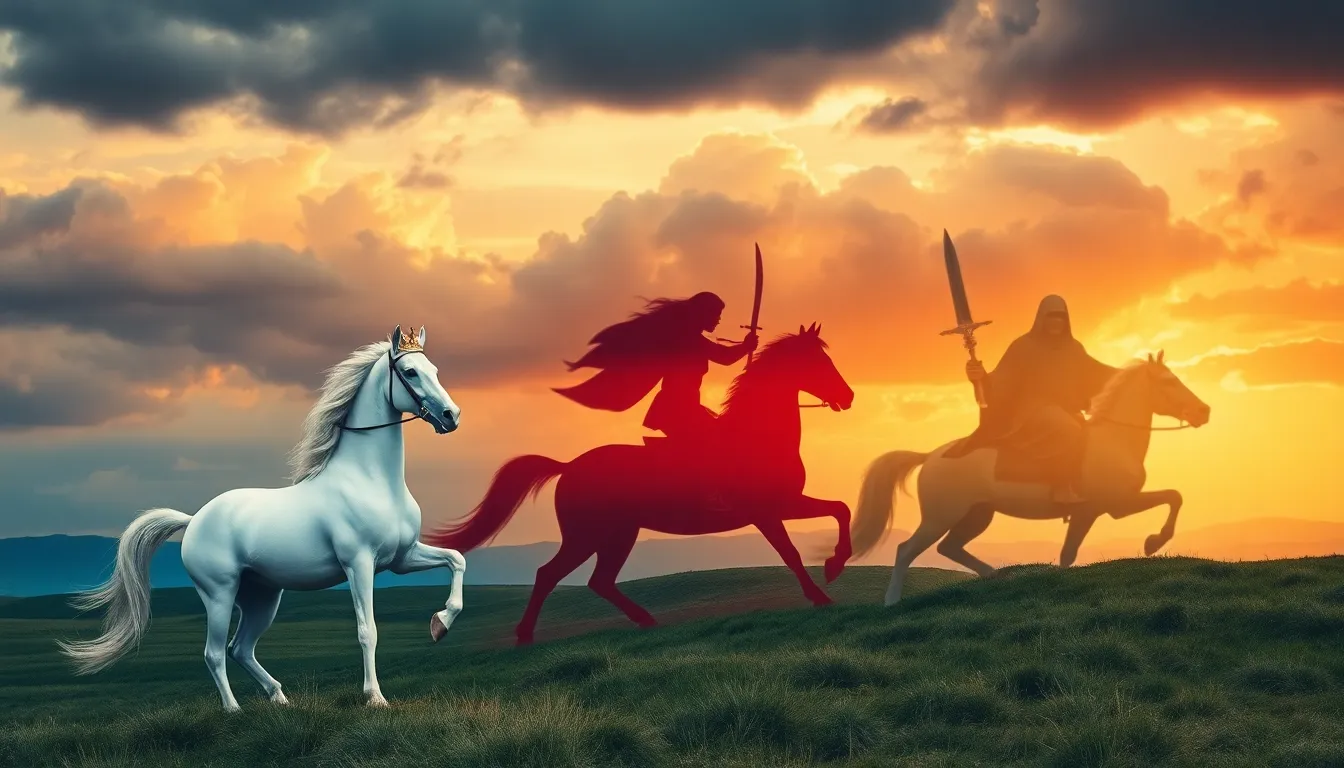
The first seal portrays a white horse and its rider, symbolizing conquest. This rider carries a bow, signifying victory over the earth. The second seal reveals a red horse, representing war. This horseman takes peace from the earth, leading to conflict among nations.
The third seal presents a black horse associated with famine. The rider holds a set of scales, indicating measures of food scarcity. The fourth seal unveils a pale horse, ridden by death. This horseman represents mortality, heralding the end for a significant portion of humanity.
Opening the fifth seal exposes the souls of martyrs, who cry out for justice. Their plea emphasizes the constant struggle faced by those enduring persecution for their faith. The sixth seal unleashes cosmic disturbances, such as earthquakes and celestial phenomena, indicating imminent judgment.
The seventh seal concludes the series, introducing silence in heaven for approximately half an hour. This pause signifies a crucial moment before the final judgments commence, leading to the trumpet judgments that follow.
Understanding the Seven Seals provides insight into apocalyptic literature and its implications on future events. Each seal serves as a pivotal point in the narrative, inviting deeper exploration of prophecy and divine justice.
Historical Context
The Seven Seals of Revelation hold substantial historical relevance within the framework of Christian eschatology. Understanding their background aids in grasping the broader implications.
The Book of Revelation Overview
The Book of Revelation, traditionally attributed to John, encompasses apocalyptic visions and prophetic messages. This text aims to provide hope and encouragement to persecuted Christians during the Roman Empire’s rule. Featuring vivid imagery and symbolic language, Revelation addresses the challenges believers faced. The Seven Seals constitute a central theme, representing key events that signal the unfolding of God’s ultimate plan. Each seal reveals elements of judgment, leading to both destruction and renewal.
Significance in Christian Theology
In Christian theology, the Seven Seals symbolize significant aspects of God’s divine judgment and justice. They illustrate the struggle between good and evil within human history. The seals also highlight God’s sovereignty in controlling the events of the end times. Scholars emphasize the importance of understanding these symbols as they relate to the broader eschatological narrative. Convictions surrounding the seals have influenced theological interpretations and preaching practices throughout history. Their role in shaping beliefs about final events serves to deepen one’s understanding of hope, justice, and redemption.
The First Seal: The Conqueror
The first seal, depicted in Revelation 6:1-2, reveals a white horse and its rider. The rider carries a bow and wears a crown, symbolizing conquest and victory. This imagery has led to various interpretations, suggesting a figure representing either Christ or a false Messiah.
Conquest signifies the potential for both good and evil. Scholars recognize this duality, noting that divine purpose can manifest through the actions of conquerors. They argue the seal highlights the power dynamics at play during the end times.
The white horse evokes imagery of triumph and leadership, often interpreted as a representation of victories in battle or ideological conquests. The presence of the crown emphasizes authority and dominion. Experts believe that this conquest can lead to widespread changes in societies and belief systems.
Further analysis of this seal uncovers parallels to historical events. Many point to the rise of empires throughout history, where leaders have claimed divine endorsement in their pursuits. Such references illustrate that the notion of conquest is not confined to religious texts; it permeates human history.
The implications of the first seal extend beyond a simple narrative. They emphasize themes of power, justice, and the consequences of unchecked ambitions. As the narrative unfolds with subsequent seals, understanding the first seal remains crucial in interpreting the greater eschatological timeline within the Book of Revelation.
The Second Seal: The Conflict
The second seal reveals a red horse. This imagery symbolizes war and the ensuing conflict among nations. A fierce rider emerges, carrying a great sword. His presence signifies the violence and chaos that characterize this period.
War, as described in Revelation 6:4, represents widespread bloodshed. Nations experience turmoil as disputes erupt into violent confrontations. Historical accounts resonate with this theme, depicting numerous conflicts throughout human history. The red horse emphasizes the destructive nature of war, showcasing its cyclical impact on humanity.
Scholars interpret this seal as a warning. It highlights that peace often eludes societies plagued by greed and ambition. The absence of harmony leads to strife, as individuals and nations vie for power and resources. This struggle for dominance has recurring patterns seen in various geopolitical scenarios.
Conflict creates an environment where justice becomes elusive. The rider’s sword not only inflicts damage but also showcases the deep scars left on society. Families are torn apart, and communities suffer immense loss during these tumultuous times.
Past conflicts provide a stark backdrop for understanding this seal’s significance. Both world wars and regional disputes serve as modern reflections of the ancient texts. Nations frequently grapple with the repercussions of their choices, fueling cycles of hostility.
In understanding the second seal, awareness emerges around human nature’s vulnerability to conflict. Revelation’s depiction of the red horse serves to remind believers of the importance of striving for peace amidst chaos. The profound implications within this imagery invite deeper reflection on the ongoing struggle that humanity faces in the pursuit of harmony.
The Third Seal: The Famine
The third seal presents the black horse, characterized by its rider holding scales. This imagery indicates a time of famine, underscoring its impact on humanity. The scales symbolize the measurement of food, highlighting scarcity and dire conditions. Revelation 6:5–6 illustrates the situation, mentioning wheat and barley’s high prices, while oil and wine remain untouched.
Understanding this seal reveals the severity of famine during end times. Scholars interpret famine as both a physical and spiritual manifestation. With famine, societal breakdown often follows, leading to widespread suffering. Historical parallels exist, with famines throughout history, each illustrating potential consequences of human actions. Famines often stem from war or natural disasters, showcasing a deep connection between these seals.
Famine impacts the vulnerable the hardest. Food shortages create competition for resources, driving up prices and leading to desperation. Comparisons between the famine described in Revelation and actual historical events highlight the universal struggle against scarcity. The Great Famine of the 14th century serves as an example, demonstrating the lethal effects of widespread hunger.
Furthermore, this seal emphasizes the broader implications of humanity’s choices. Choices made by rulers and societies often contribute to famine, raising questions about accountability. The balance of greed and care governs the distribution of resources, affecting populations dramatically. Recognizing the significance of the third seal compels a deeper understanding of justice in the face of suffering. Ultimately, the third seal’s revelation invites reflection on compassion and responsibility in uncertain times.
The Fourth Seal: The Death
The fourth seal introduces a pale horse, with its rider named Death. This figure symbolizes mortality, bringing a stark reality to humanity’s existence. Revelation 6:8 states, “And I looked, and behold, a pale horse: and his name that sat on him was Death.” The appearance of this seal evokes fear and acknowledgment of the human condition.
Death does not act alone. Hades follows closely and symbolizes the grave and the afterlife. Together, they ride forth, signifying the inevitability of mortality and the consequences of sin. The magnitude of their impact is profound, as they claim a quarter of the earth’s population. This far-reaching devastation underscores the seriousness of the events accompanying the fourth seal.
Scholars emphasize the theological implications of this seal within Christian eschatology. They view it as a reminder of God’s judgment and the outcomes of human actions. Mortality serves as a unifying truth across cultures and beliefs, prompting reflection on life’s fragility. Moreover, this imagery embodies the struggle against evil that manifests in various ways, such as natural disasters, violence, and disease.
Historical accounts of plagues and wars further connect to the themes presented in this seal. Events such as the Black Death starkly illustrate the moments when society has faced mass mortality. Understanding the fourth seal invites deeper contemplation of accountability and compassion during challenging times. Key questions arise around humanity’s collective response to suffering and vulnerability, while the text encourages an examination of the moral implications of actions.
The fourth seal’s message extends beyond its immediate symbolism. It calls for awareness of the transient nature of life and the fragility of human existence. As this seal unfolds, the broader narrative of hope and redemption becomes even more critical in the context of divine judgment.
The Fifth Seal: The Martyrs
The fifth seal reveals the souls of martyrs under the altar, symbolizing their cries for justice. These martyrs, who endured persecution for their faith, exemplify steadfastness in the face of adversity. Revelation 6:9-11 illustrates their plea, showcasing their desire for retribution against their oppressors. Scholars emphasize the significance of this imagery, illuminating the theme of divine justice and vindication.
Martyrdom connects with various historical and contemporary examples, reflecting ongoing struggles faced by individuals and communities. Experiences of persecuted believers throughout history provide context for understanding the weight of their cries. Various religious groups have faced persecution, and their stories resonate with the message of this seal.
Recognition of these martyrs invites contemplation about sacrifice and the cost of faith. Understanding the fifth seal encourages deeper reflection on the impact of injustice in the world. The imagery also highlights a future promise of retribution, affirming God’s commitment to uphold justice. As a response, believers find hope in the ultimate victory over evil and the assurance of divine intervention.
Throughout history, the blood of martyrs has often served as a catalyst for change. Experiences of such individuals inspire movements for justice and harmony within society. Many believers view the martyr’s sacrifice as a path to spiritual victory, inspiring resilience in their faith. This seal serves as a powerful reminder that faith can endure even the darkest of times, reinforcing hope in God’s overarching plan for humanity.
The Sixth Seal: Cosmic Disturbances
The sixth seal unveils cosmic disturbances that signify impending judgment. Catastrophic events affect the natural order, creating fear and awe. The sun becomes darkened, resembling sackcloth, while the moon turns blood red. Stars fall from the sky, resembling unripe figs shaken by a strong wind.
These disturbances provoke widespread panic among people. Revelation 6:12–17 describes kings, nobles, and the mighty seeking refuge from divine wrath. They recognize their inability to escape the consequences of their actions. The imagery highlights humanity’s vulnerability in the face of cosmic forces.
Scholars interpret the cosmic upheaval as both literal and metaphorical. The darkening of the sun may symbolize the removal of light that represents hope and guidance. A blood-red moon can signify judgment and the foreshadowing of calamity. Furthermore, fallen stars often represent fallen leaders or angels, reinforcing the theme of cosmic rebellion.
Historical records provide parallels to these cataclysmic events. Natural disasters, like volcanic eruptions and eclipses, have historically invoked terror and prompted reflections on divine influence. Additionally, societal turmoil often correlates with such cosmic phenomena throughout human history.
Understanding the sixth seal includes recognizing its theological implications. Believers see it as a call to repentance and awareness of God’s sovereignty. This seal emphasizes the need for faith amid uncertainty. Cosmic disturbances, therefore, serve as a dramatic introduction to the following judgments that unfold in the Book of Revelation.
The Seventh Seal: Silence in Heaven
The seventh seal introduces a profound moment of silence in heaven, marking a significant pause before the unleashing of the seven trumpets. This silence spans approximately half an hour, creating a solemn atmosphere and underscoring the gravity of what’s to come.
Interpretations of the Seventh Seal
Interpretations of the seventh seal vary among scholars and theologians. Many view the silence as an expression of solemnity, highlighting God’s divine presence before judgment. Some interpret it as a moment for reflection, urging believers to contemplate their spiritual state before impending events unfold. Others suggest the silence signifies a waiting period, preparing for the next phase of God’s plan. Various teachings emphasize the importance of this moment, linking it to themes of reverence, divine authority, and the seriousness of God’s actions in the world. Understanding these interpretations contributes to a deeper insight into the eschatological narrative and the sovereignty of God in the Book of Revelation.
The Seven Seals of Revelation offer profound insights into humanity’s fate and the divine plan for the end times. Each seal reveals a unique aspect of the struggle between good and evil while emphasizing God’s sovereignty over history. These symbols resonate deeply with believers, encouraging reflection on themes of justice, sacrifice, and hope.
As the narrative unfolds, it invites individuals to confront the realities of mortality, conflict, and the consequences of human actions. The imagery serves as both a warning and a source of inspiration for those navigating uncertain times. Understanding the Seven Seals is essential for grasping the broader eschatological narrative, fostering a sense of purpose and resilience amidst life’s challenges.