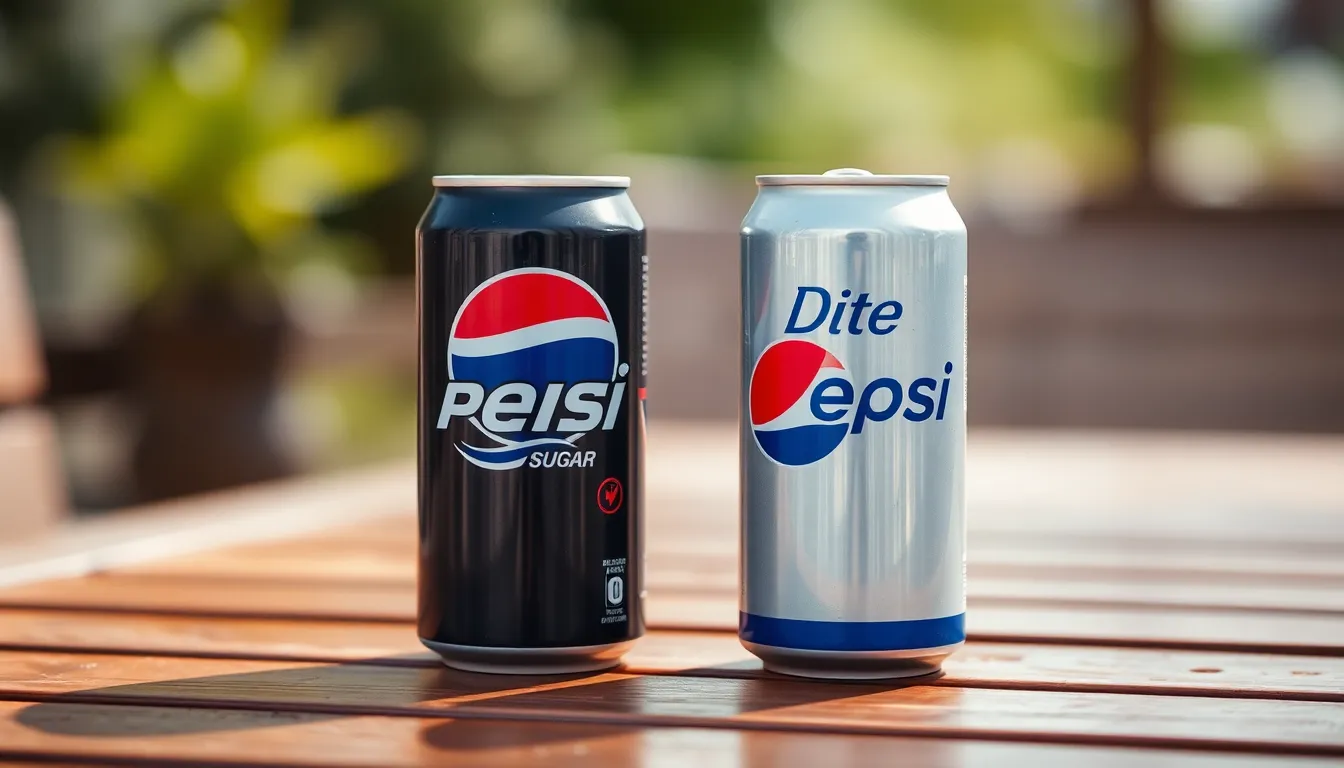
In the world of fizzy drinks, the battle between Pepsi Zero and Diet Pepsi is nothing short of legendary. Both promise a guilt-free sip of refreshment, but which one truly reigns supreme? It’s like choosing between a superhero and their sidekick—each has its loyal fans, but only one can wear the cape.
Overview of Pepsi Zero and Diet Pepsi
Pepsi Zero Sugar offers a bold, full-flavor experience with zero calories. This beverage attracts individuals who seek a robust cola taste without sugar. Many caffeine enthusiasts appreciate its vibrant flavor profile, which includes a stronger carbonation compared to Diet Pepsi.
Diet Pepsi, on the other hand, has a lighter taste and also contains no sugar or calories. Its smoothness appeals to those who prefer a subtler cola option. The formulation for Diet Pepsi centers on a different blend of artificial sweeteners, making it distinct from its Zero counterpart.
Both options serve as attractive alternatives to regular Pepsi for those monitoring caloric intake. Convenience can factor into the choice, as some consumers favor Pepsi Zero for its taste, while others opt for Diet Pepsi because of its history and established presence in the market.
Taste tests often reveal a divide in preference. Pepsi Zero is frequently noted for tasting closer to classic Pepsi, while Diet Pepsi maintains its light, crisp character. Furthermore, each drink’s unique sweetness profile can influence consumer choices, with Pepsi Zero utilizing aspartame and acesulfame potassium, whereas Diet Pepsi primarily uses aspartame.
Availability across various retail and online platforms enhances the accessibility of both beverages. Consumers can often find them in a variety of packaging, including cans and bottles. Flavor variations and promotional campaigns further engage fans and encourage brand loyalty within this competitive space.
Taste Comparison
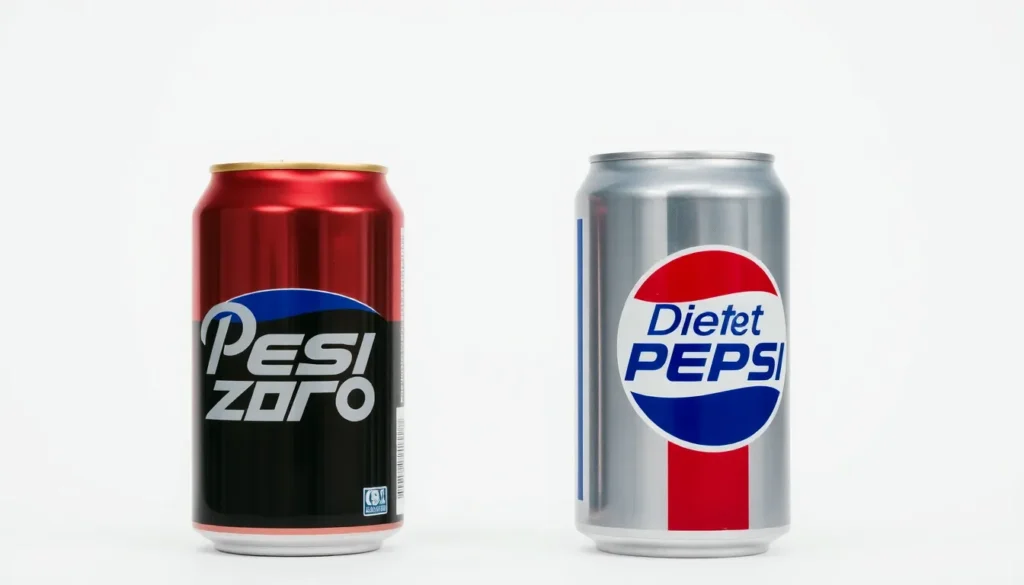
Pepsi Zero and Diet Pepsi both offer distinct taste experiences, catering to different consumer preferences.
Flavor Profile of Pepsi Zero
Pepsi Zero presents a bold flavor reminiscent of classic Pepsi. This beverage appeals to those who enjoy a richer cola taste without the sugar. Its formulation includes both aspartame and acesulfame potassium, creating a balanced sweetness that enhances flavor depth. Strong carbonation contributes to a satisfying fizz, making each sip feel refreshing. Many fans appreciate its robust profile, often citing its similarity to the original Pepsi as a significant draw. Taste tests frequently confirm its ability to capture the essence of full-sugar cola, while maintaining calorie-free status.
Flavor Profile of Diet Pepsi
Diet Pepsi favors a lighter, crisper taste. Consumers who prefer a more subtle cola experience often choose this option. Utilizing primarily aspartame, its sweetness tends to be less pronounced compared to Pepsi Zero. The beverage has a smooth finish that many find easy to enjoy throughout the day. Some drinkers highlight its refreshing quality, particularly in warm weather. Though different from Pepsi Zero, it offers an enjoyable alternative that continues to retain a loyal following. Taste comparisons reveal a distinct flavor profile, solidifying its place in the diet beverage market.
Ingredients Analysis
Both Pepsi Zero and Diet Pepsi feature unique ingredients that contribute to their distinct flavors. An examination of their sweeteners reveals key differences.
Sweeteners Used in Pepsi Zero
Pepsi Zero Sugar employs a blend of aspartame and acesulfame potassium. This combination creates a well-rounded sweetness that mimics the taste of regular Pepsi. Consumers enjoy this profile, often commenting on its closely matched flavor to traditional cola. Acesulfame potassium enhances the overall sweetness and complements aspartame, elevating the taste experience. Additionally, this formulation allows Pepsi Zero to maintain its zero-calorie promise while satisfying those craving a bold cola flavor.
Sweeteners Used in Diet Pepsi
Diet Pepsi primarily features aspartame as its sweetening agent. This choice results in a lighter sweetness compared to Pepsi Zero. Many drinkers appreciate the subtlety this provides, leading to a smooth drinking experience that pairs well with meals. The absence of acesulfame potassium allows for a more straightforward sugar replacement. Due to its less pronounced sweetness, Diet Pepsi remains a popular choice among those who prefer a crisper and refreshing cola.
Nutritional Information
Pepsi Zero and Diet Pepsi offer different nutritional profiles that can influence consumer choices.
Caloric Content
Pepsi Zero Sugar contains zero calories per serving, appealing to those seeking a guilt-free beverage. Diet Pepsi also features zero calories, maintaining its status as a calorie-conscious option. Both drinks cater to consumers who want a soda experience without the caloric intake. The absence of calories makes them suitable choices for individuals managing their weight or reducing sugar consumption.
Essential Nutrients
Neither Pepsi Zero nor Diet Pepsi provides significant essential nutrients. Both beverages lack vitamins and minerals, focusing instead on taste without added nutritional value. Each drink contains carbonated water, caramel color, and artificial sweeteners, which contribute to their flavor profiles rather than their nutritional content. Aspartame and acesulfame potassium are present in both, offering sweetness without calories. These drinks primarily fulfill cravings for cola flavor, devoid of any substantial nutritional benefits.
Consumer Preferences
Consumer preferences play a crucial role in the ongoing competition between Pepsi Zero and Diet Pepsi. Insights into these preferences reveal distinct trends among cola drinkers.
Popularity Trends
Popularity trends for Pepsi Zero and Diet Pepsi illustrate a notable shift. Over the last few years, Pepsi Zero has gained traction largely due to its full-flavor experience. According to recent surveys, consumers increasingly associate it with the taste profile of regular Pepsi. In contrast, Diet Pepsi maintains a loyal base, especially among those who prefer a lighter drink. Recent market analysis indicates that Pepsi Zero sales continue to rise while Diet Pepsi experiences stable demand. Monthly sales reports show both beverages achieving prominence in the low-calorie soda market, yet Pepsi Zero’s growth indicates a shifting consumer palate.
Target Demographics
Target demographics visibly differ between both products. Pepsi Zero attracts a younger audience that values bold flavors without calories. Age groups 18 to 34 especially gravitate toward Pepsi Zero for its robust taste. Diet Pepsi appeals more to an older demographic who enjoys a classic cola experience. The age range of 35 to 55 tends to favor its lighter profile. Gender influences preferences as well, with Pepsi Zero seeing more male consumers, while Diet Pepsi garners interest from female drinkers. Understanding these demographics helps marketers tailor their strategies and product offerings.
The rivalry between Pepsi Zero and Diet Pepsi showcases the diverse preferences of cola enthusiasts. Pepsi Zero’s bold flavor appeals to those seeking a robust cola experience while Diet Pepsi’s lighter taste attracts fans of a more subtle refreshment. Both beverages maintain zero calories making them popular choices for health-conscious consumers.
As trends shift and demographics evolve Pepsi Zero is gaining popularity among younger drinkers while Diet Pepsi continues to resonate with an older audience. Ultimately the choice between these two iconic drinks comes down to individual taste and lifestyle preferences. Each offers a unique take on the classic cola flavor ensuring that there’s a satisfying option for everyone.