In the vibrant tapestry of Indian culture, few figures shine as brightly as Gowthalamma. This beloved deity isn’t just a symbol of devotion; she’s a powerhouse of strength and compassion, captivating hearts across generations. Imagine a figure who embodies both the fierce protector and the nurturing mother—Gowthalamma does just that, making her a favorite among devotees and curious onlookers alike.
Overview of Gowthalamma
Gowthalamma holds a prominent place in Indian culture, often celebrated for her remarkable attributes as a protector and nurturer. Many devotees view her as a fierce guardian who defends her followers from harm. Symbolism associated with Gowthalamma blends strength and compassion, allowing many to relate to her in different ways.
Commonly depicted with signs of power and grace, Gowthalamma inspires devotion among her followers. Worshipers often gather in temples to pay homage, seeking her blessings for prosperity and protection. Various rituals take place during festivals dedicated to Gowthalamma, showcasing community participation and reverence.
Her mythology encompasses numerous stories that highlight her courage and love. In these tales, she confronts obstacles, often depicted as fearsome demons or challenges, presenting a narrative of triumph. Many celebrations revolve around these myths, reflecting collective cultural values and inspiring awe.
Gowthalamma’s presence influences diverse aspects of life, including agriculture and family welfare, marking her significance beyond spiritual realms. Many communities observe rituals aimed at invoking her blessings for bountiful harvests. The legacy of Gowthalamma continues to resonate through traditions, offering strength and nurturing to generations.
By embodying characteristics that resonate with both fearlessness and tenderness, Gowthalamma remains a pivotal figure for countless devotees. Her impact transcends mere religious practice, fostering a shared sense of identity within communities across India.
Historical Significance
Gowthalamma holds a deep-rooted significance in the cultural and spiritual tapestry of India. As a venerated figure, her origins and perceptions have evolved through ages, shaping communal identities.
Origins and Roots
Legends trace Gowthalamma’s ancestry to ancient deities. Many believe she emerged as a protector during critical battles against malevolent forces. Local tales often depict her as a fierce warrior goddess, embodying strength and valor. Communities celebrate her birth in rural settings, emphasizing agriculture’s connection to her worship. Fables highlight her role in safeguarding crops and livestock, enhancing her importance in agrarian societies. Festivals marking her emergence attract devotees, showcasing rituals that honor her dual nature as nurturer and guardian.
Cultural Impact
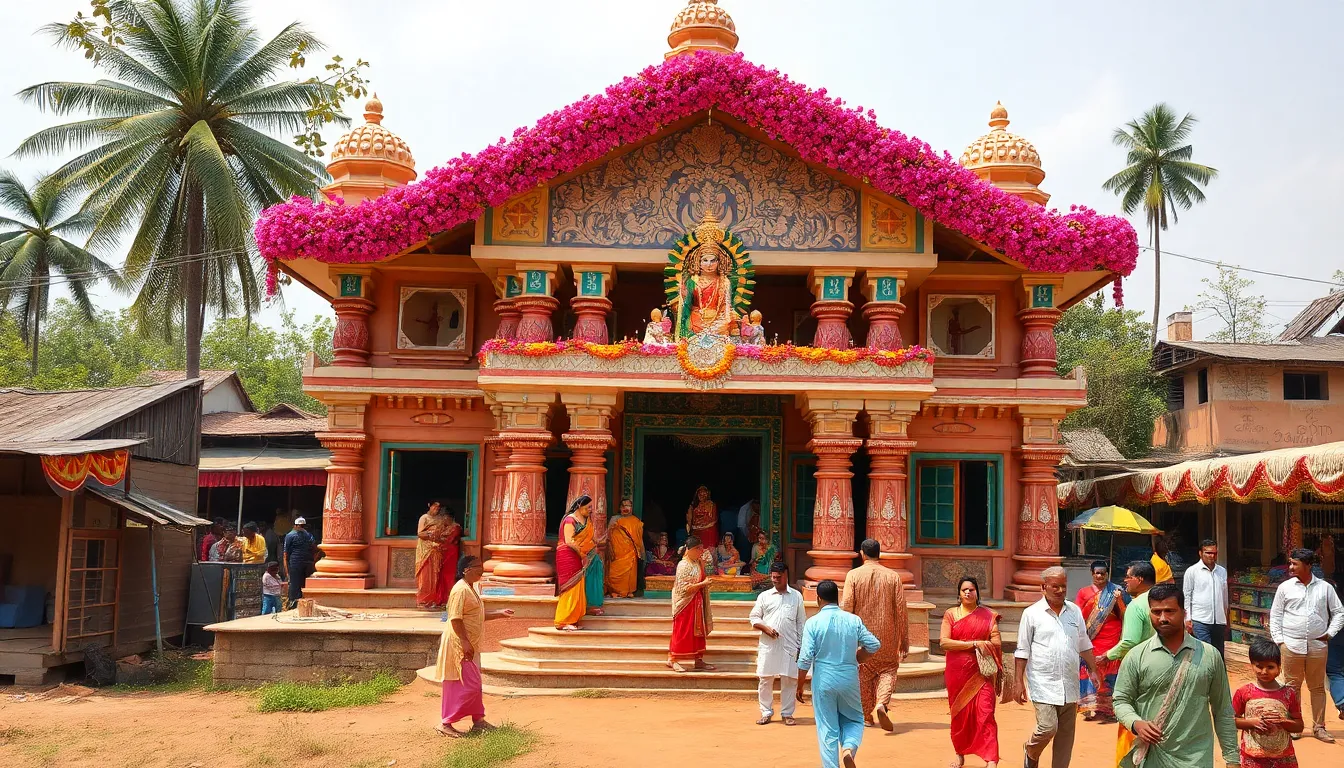
Gowthalamma influences various aspects of daily life, reflecting her significance in Indian culture. Temples dedicated to her serve as community centers, fostering social cohesion. Followers often gather during festivals to celebrate her virtues, reinforcing shared beliefs and traditions. Art and literature frequently portray her, emphasizing themes of courage and compassion. Many believe invoking her blessings brings prosperity and protection, impacting agricultural practices and family welfare. This devotion underscores her role in cultural rituals and practices, making her a key figure in the spiritual landscape of India.
Characteristics of Gowthalamma
Gowthalamma possesses distinctive features that reflect her revered status within Indian culture.
Physical Attributes
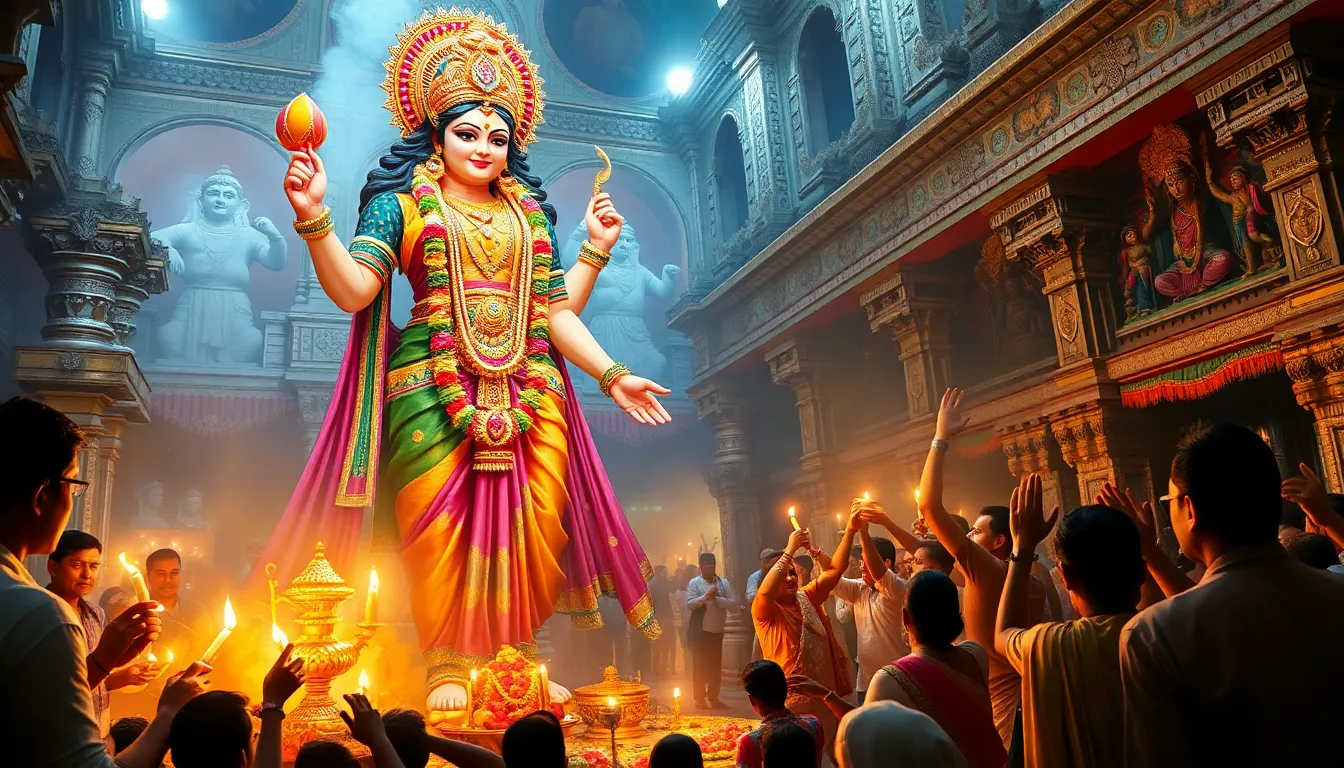
Gowthalamma is often depicted towering, symbolizing strength and authority. She commonly appears adorned with vibrant garments that emphasize her connection to nature and fertility. Elaborate jewelry enhances her divinity and power, while her eyes are radiant, conveying compassion and wisdom. Various statues illustrate her with an imposing posture, showcasing determination. Her form usually includes a robust physique, representing protection and resilience. These physical attributes collectively embody the duality of her fierce and nurturing nature, resonating deeply with her followers.
Unique Traits
Compassion showcases itself as one of Gowthalamma’s most significant traits, resonating in her interactions with devotees. Devotees perceive her as a fierce protector who guards them against adversities. Known for her empathetic nature, she inspires a sense of hope. Her legends recount various feats where she triumphs over formidable challenges, reinforcing her reputation as a warrior goddess. Devotion towards her manifests in vibrant festivals celebrating her courage and nurturing essence. Communities venerate her not only for strength but also for benevolence, promoting agricultural prosperity. This blend of ferocity and kindness defines Gowthalamma, making her a multifaceted figure admired across different cultures.
Rituals and Practices
Gowthalamma’s rituals and practices deeply connect her devotees to their spiritual roots. Worship methods often involve offerings like fruits, flowers, and traditional sweets. Devotees frequently light oil lamps and perform pooja to honor her presence. Prayers recited during these ceremonies express gratitude and seek her blessings for protection and prosperity. Temples serving as centers for worship host special ceremonies on auspicious days, attracting large gatherings of devotees.
Celebrations and festivals dedicated to Gowthalamma foster community spirit. Events like the Gowthalamma Jatra see vibrant processions and cultural performances that showcase local traditions. Engaging in folk dances and music amplifies the festive atmosphere, allowing people to express their devotion. Rituals unique to each region highlight local customs and beliefs while celebrating her agricultural significance. Harvest festivals symbolize gratitude for bountiful crops and the protection she offers. These vibrant celebrations reinforce social bonds and create a shared sense of identity among the community.
Contemporary Relevance
Gowthalamma maintains a significant presence in contemporary culture, resonating with followers as both a protector and nurturing figure.
Modern Interpretations
In today’s society, Gowthalamma inspires various interpretations among spiritual seekers. Devotees explore her duality as a fierce protector and compassionate mother through modern art and literature. Contemporary performances often depict her stories, blending traditional elements with modern themes. Artists showcase her vibrant imagery, capturing the essence of her strength and nurturing spirit. Communities celebrate her relevance by hosting workshops and discussions, creating spaces for collective reflection on her symbolism in contemporary life.
Influence on Community
Communities experience a profound connection through the veneration of Gowthalamma. Temples dedicated to her act as social hubs, promoting collective identity and unity. Rituals associated with her worship strengthen bonds among participants, fostering a sense of belonging. Festivals attract participants from diverse backgrounds, emphasizing inclusivity and shared cultural values. Her appeal extends to various initiatives aimed at supporting agriculture and family welfare, enhancing livelihood and social cohesion. Collective celebrations, such as the Gowthalamma Jatra, contribute to community resilience and instill pride in regional traditions.
Gowthalamma stands as a powerful symbol of strength and compassion within Indian culture. Her dual role as a fierce protector and nurturing mother resonates deeply with her devotees. The vibrant festivals and rituals dedicated to her not only celebrate her attributes but also foster community spirit and social cohesion.
As she continues to inspire modern interpretations and artistic expressions, Gowthalamma remains a vital figure in contemporary society. Her influence extends beyond spirituality, impacting agriculture and family welfare, making her a cherished presence in the lives of many. Through collective celebrations and shared beliefs, her legacy endures, reinforcing a sense of identity and pride among communities across India.