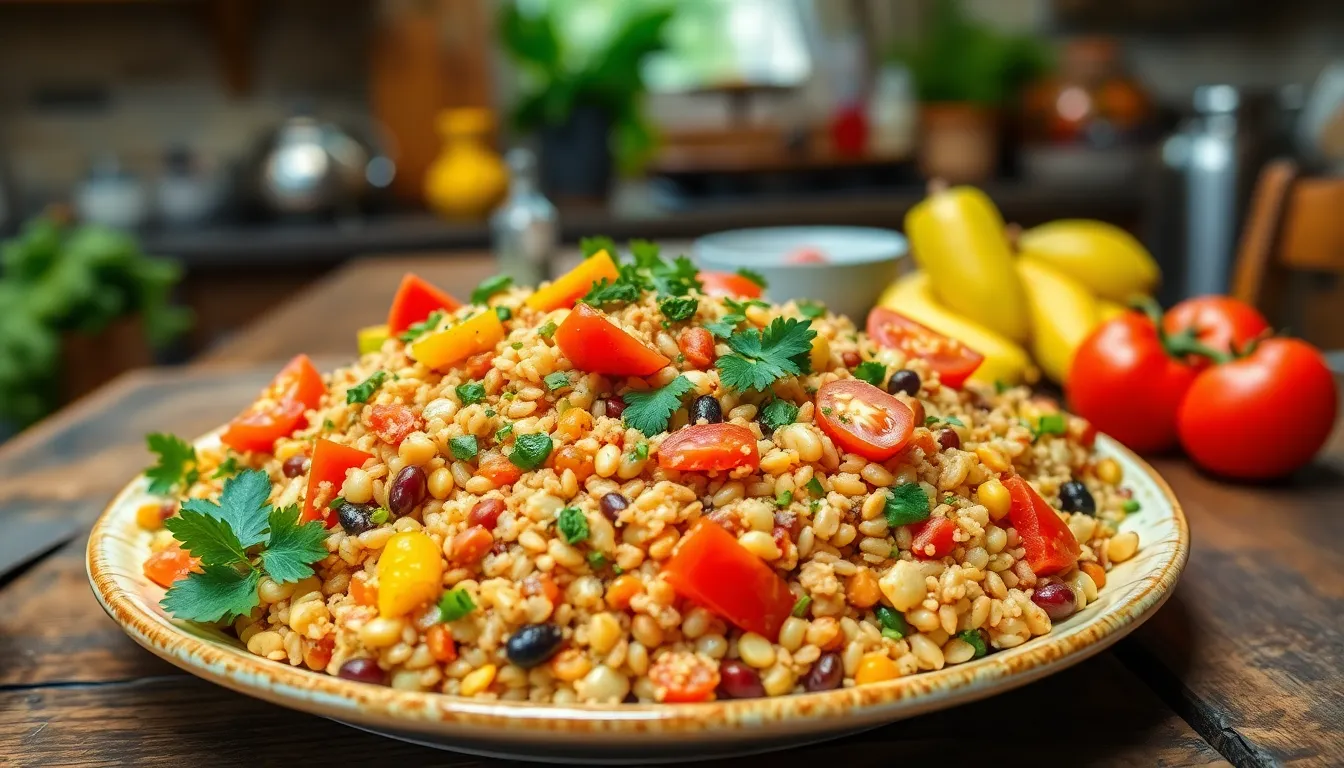
In a world filled with culinary wonders, few dishes can rival the intrigue of falifkad. This delightful creation isn’t just a meal; it’s an experience that tantalizes taste buds and sparks conversations. Imagine a dish so unique, it could make even the pickiest eater reconsider their life choices—now that’s falifkad for you!
Overview of Falifkad
Falifkad stands out as a remarkable dish, capturing attention with its unique flavor profile. It combines robust spices with fresh ingredients, creating a distinct taste that appeals to diverse palates. Originating from a rich culinary tradition, falifkad showcases local ingredients, reflecting cultural heritage and regional influences.
Traditionally, this dish features a blend of grains and legumes, offering both texture and nutrients. In its preparation, chefs often incorporate vegetables, enhancing its visual appeal and flavor complexity. Additionally, falifkad can serve as a versatile meal option, suitable for both casual gatherings and formal occasions.
Dietary preferences influence how falifkad is enjoyed. Adaptations for vegetarian and vegan diets are common, ensuring that everyone can savor its essence. It’s known for nourishing elements, making it a wholesome choice for health-conscious individuals.
Falifkad’s popularity extends beyond its taste. It provides an opportunity for social interaction, often enjoyed in communal settings. Sharing this dish fosters a sense of community, allowing diners to connect over a common experience.
Nutritional value plays a pivotal role in its appeal. High protein content along with essential vitamins makes falifkad a balanced meal. Diners can enjoy its robust flavors while benefiting from its health advantages.
Overall, falifkad not only delights the palate but also enriches the dining experience. Its ability to charm even the pickiest eaters demonstrates its universal appeal. Enjoying falifkad becomes a memorable event, embodying both tradition and innovation in every bite.
History of Falifkad
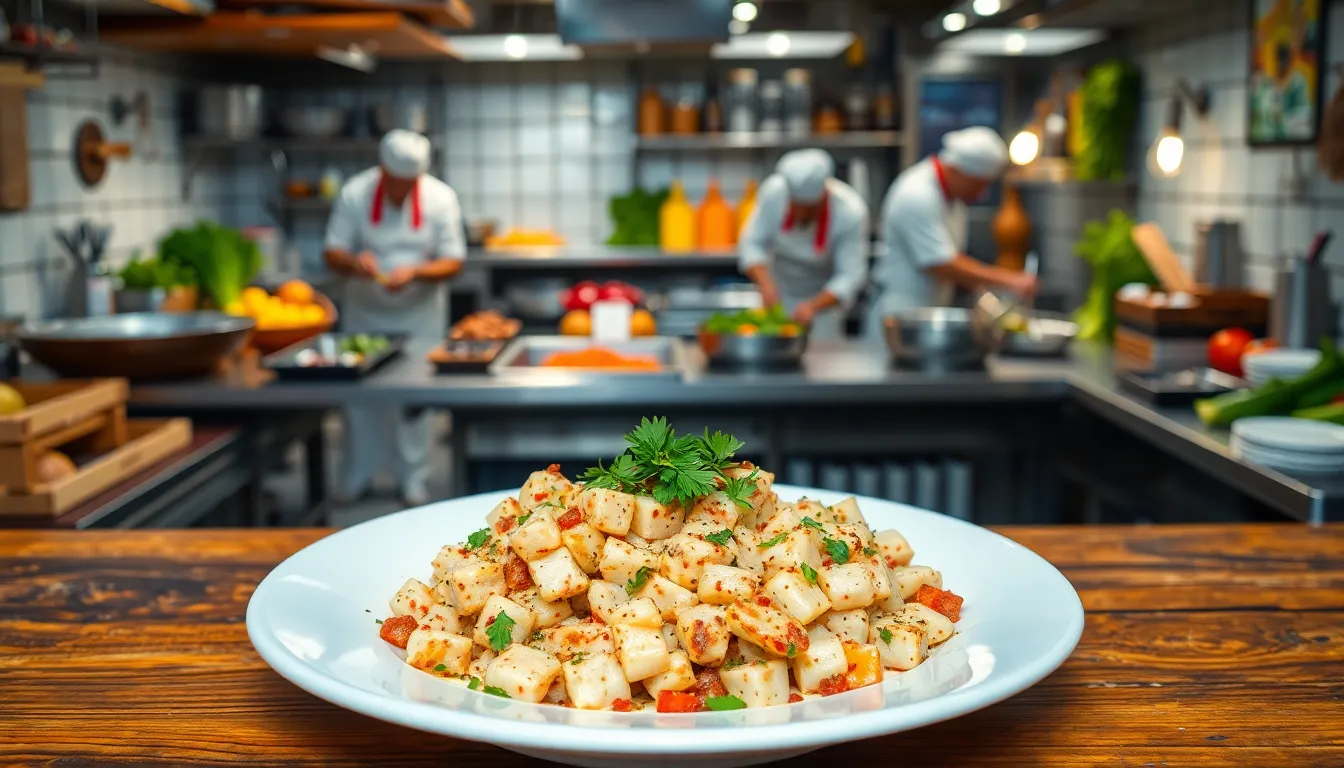
Falifkad boasts a rich history steeped in cultural heritage and culinary evolution. Exploring its roots reveals much about its significance in various communities.
Origins and Cultural Significance
Falifkad originated in regions where agriculture flourished, showcasing local grains and legumes. Ancient recipes often included spices that reflect the unique characteristics of the area. Communities celebrated this dish during festivals and gatherings, underscoring its role in social life. Sharing falifkad signifies hospitality among families and friends. The preparation of this dish often involves generations, reinforcing its importance in culinary traditions.
Evolution over Time
Over the centuries, falifkad evolved, adapting to changing tastes and ingredients. Modern variations emerged, incorporating new spices and cooking methods while preserving traditional elements. Urbanization contributed to its popularity, with restaurants featuring falifkad on their menus. The rise of health-conscious dining spurred adaptations, using quinoa and other nutritious components. This flexibility allowed falifkad to maintain relevance in contemporary culinary scenes while staying true to its origins.
Ingredients Used in Falifkad
Falifkad incorporates a variety of ingredients that contribute to its unique characteristics and nutritional value.
Main Components
Grains form the foundation of falifkad. Common choices include quinoa, bulgur, and millet. Legumes enhance protein content, with chickpeas and lentils being popular additions. Fresh vegetables, such as bell peppers, tomatoes, and onions, create brilliant colors and textures. Herbs and spices elevate flavor profiles, featuring ingredients like cumin, coriander, and parsley. This combination not only satisfies the palate but also provides essential nutrients, making falifkad a balanced dish.
Flavor Profiles
Rich and vibrant flavors define falifkad. The use of spices like paprika and turmeric adds warmth and depth. Brightness comes from citrus elements, typically lemon juice or zest. Additionally, the freshness of herbs like cilantro and dill imparts a fragrant aroma. This complexity appeals to diverse taste preferences, accommodating both savory and slightly sweet notes. Overall, the interplay of these flavors creates a memorable culinary experience.
Preparation Techniques
Preparing falifkad involves techniques that blend tradition with innovation. Understanding various methods enhances the dish’s flavors and textures.
Traditional Methods
Traditional preparation techniques for falifkad emphasize time-honored practices. Soaking grains and legumes overnight enhances their digestibility. Cooking in clay pots allows for even heat distribution, intensifying the flavors. Often, family recipes feature slow-cooking methods that deepen the dish’s richness. Mixing fresh herbs, legumes, and spices by hand ensures a well-rounded blend. Generations of cooks have shared these techniques, reflecting cultural heritage and communal bonding.
Modern Innovations
Modern innovations bring fresh approaches to falifkad preparation. Utilizing pressure cookers drastically reduces cooking time without sacrificing flavor. Experimenting with air fryers offers healthier, less oily alternatives for roasting vegetables. Chefs often incorporate global ingredients, introducing new flavors while maintaining authenticity. Digital recipes and cooking apps provide step-by-step guidance, making preparation accessible. Adopting meal prep strategies allows for quick assembly during busy days, ensuring falifkad fits contemporary lifestyles.
Popular Variants of Falifkad
Falifkad boasts numerous variants that arise from regional ingredients and innovative culinary practices. Exploring these variations reveals the dish’s adaptability and rich flavor spectrum.
Regional Differences
Different regions contribute unique interpretations of falifkad. In the Middle East, the dish often combines bulgur with spices such as sumac and pomegranate molasses, resulting in a tangy taste. The North African version incorporates harissa, enhancing the heat with spices like caraway and fennel. Mediterranean falifkad commonly features a medley of fresh herbs, including mint and dill, creating a refreshing element. Each variant reflects the local palate and agricultural offerings, showcasing diversity and tradition.
Fusion Styles
Culinary fusion has led to creative adaptations of falifkad that incorporate international ingredients. Asian-inspired versions might include rice noodles and sesame, giving the dish a distinctive twist. Some chefs experiment with South American flavors by adding quinoa and avocado, providing a fresh, vibrant profile. Restaurants frequently enhance the traditional falifkad by infusing flavors from diverse cuisines, merging culinary techniques while retaining key elements. These fusion styles bring a contemporary touch to a beloved classic.
Falifkad transcends mere sustenance to become a celebration of culture and community. Its rich history and evolving nature reflect a deep connection to tradition while embracing modern culinary trends. This dish not only satisfies diverse palates but also fosters shared experiences among diners.
With its vibrant flavors and nutritional benefits falifkad stands as a testament to the beauty of culinary innovation. Each bite offers a journey through time and taste showcasing the adaptability of this beloved dish. Whether enjoyed at a festive gathering or a casual meal falifkad continues to enchant and inspire food lovers around the world.