
In the vibrant tapestry of Indian folklore, few figures shine as brightly as Gowthalamma. This enchanting deity, often depicted with a playful spirit, embodies strength, compassion, and a touch of mischief. For those unfamiliar, she’s not just another name in the pantheon; she’s a symbol of resilience and nurturing, especially for farmers and their crops.
Imagine a goddess who can sprinkle a little magic on your fields while cracking a joke or two. That’s Gowthalamma for you! Her stories are rich with lessons and laughter, making her a beloved figure in many communities. Dive into the world of Gowthalamma, where tradition meets humor, and discover why she’s captured hearts and harvests alike.
Overview of Gowthalamma
Gowthalamma represents a vital aspect of Indian folklore, embodying qualities of strength, compassion, and playful mischief. Farmers often regard her as a protector of crops, reflecting her nurturing spirit. Tales of her enchantment intertwine magic and humor, making her stories resonate deeply within various communities.
Cultural celebrations often incorporate Gowthalamma, reinforcing her significance in agricultural practices. Rituals honoring her demonstrate gratitude towards nature’s blessings, illustrating how intertwined she is with the farmers’ way of life. Many communities believe her presence brings prosperity and ensures a fruitful harvest.
Her character showcases resilience in the face of challenges. Legends depict her as a playful yet powerful figure, providing encouragement to those who cultivate the land. Narratives surrounding Gowthalamma highlight her connection with traditional farming techniques, showcasing the rich cultural heritage of the regions that celebrate her.
Recognition of her influence extends beyond mere storytelling. She serves as a reminder of the bond between humanity and nature, symbolizing the harmony essential for sustainable agriculture. A vibrant aspect of various festivals, Gowthalamma inspires collective gratitude and respect for agricultural practices.
Communities engage in activities that celebrate her legacy, fostering a deeper appreciation for the significance of agriculture. This collective acknowledgment enhances the cultural identity linked to Gowthalamma, ensuring that her spirit continues to thrive in the hearts of many.
Cultural Significance of Gowthalamma
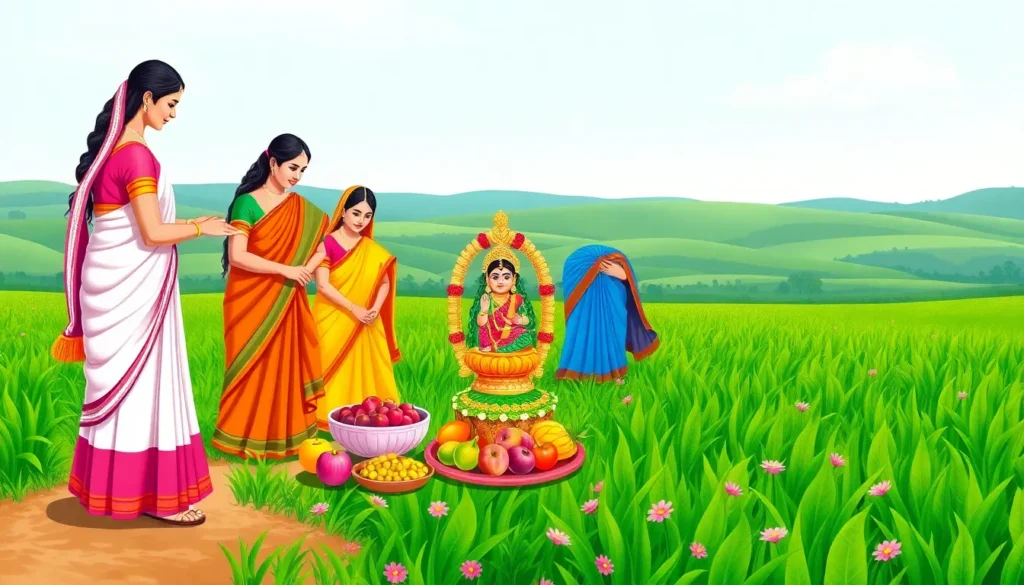
Gowthalamma holds a vital place in the cultural landscape of India, especially in agricultural communities. Her narratives resonate widely, reflecting the essential connection between land and livelihood.
Historical Background
Gowthalamma’s origins trace back to ancient agricultural practices in India. Folklore depicts her as a goddess embodying nature’s vitality, nurturing crops, and promoting fertility. Many rituals honoring her have been passed down through generations, ensuring she remains a central figure in farming traditions. Communities celebrate her presence through festivals that highlight the historical relationship between agriculture and local customs. Celebrations often include offerings and prayers, reinforcing the belief in her powerful influence on crop yields and sustenance.
Mythological References
Gowthalamma appears in various myths, often characterized by her playful yet protective nature. In many stories, she personifies the earth’s fertility, guiding farmers in their endeavors. Myths describe her interactions with nature, showcasing her ability to nurture life while also demonstrating mischief. These narratives underline her duality, as both a source of bounty and a playful spirit, making her beloved among those who farm the land. Her mythological presence emphasizes the harmony between people and agriculture, encouraging respect for nature and its cycles.
Characteristics of Gowthalamma
Gowthalamma exhibits a unique blend of charm and strength, making her a revered figure in Indian folklore.
Physical Attributes
Gowthalamma often appears as a vibrant woman adorned with traditional attire. Her colorful garments reflect local culture and agricultural richness. A garland of flowers typically crowns her head, symbolizing fertility and nature’s bounty. She embodies the earth’s nurturing spirit through her radiant smile and warm demeanor. Farmers commonly associate her with abundance and prosperity due to her physical representation. Overall, her imagery captivates communities and they cherish her presence in both art and agriculture.
Unique Qualities
Gowthalamma possesses an enchanting spirit, blending playfulness and strength. She embodies resilience, inspiring farmers to nurture their land with dedication. A protector of crops, she symbolizes hope and prosperity, especially during challenging seasons. Local tales often highlight her mischievous nature, showcasing her ability to foster laughter and joy. Rituals honoring her reveal deep cultural connections, uniting communities through shared beliefs. Each celebration underscores her role in agricultural practices, reinforcing respect for nature’s cycles. These qualities establish her as a beloved figure, bridging the gap between humanity and the earth.
Rituals and Practices
Rituals associated with Gowthalamma underscore her importance among agricultural communities. Various traditions highlight her vitality and connection to farming.
Festivals Celebrating Gowthalamma
Festivals honoring Gowthalamma connect people through shared reverence. Celebrations often feature vibrant processions and cultural performances that depict her stories. Communities engage in these festivities, showcasing traditional dances and songs celebrating her playful spirit. Local markets spring to life during these events, offering special foods and crafts.
Daily Worship and Offerings
Daily worship practices reflect the devotion to Gowthalamma’s protective and nurturing qualities. Farmers often set up small altars adorned with flowers and fruits, recognizing her role in their livelihoods. Rituals include pouring milk or water as offerings, symbolizing the nourishment she provides. Reciting prayers dedicated to her encourages blessings for bountiful harvests and the well-being of crops. These practices serve as consistent reminders of the harmony between nature and agriculture.
Gowthalamma’s enduring legacy showcases the deep connection between culture and agriculture. Her playful yet protective nature resonates with communities that rely on the land for their livelihoods. Through vibrant festivals and daily rituals, she continues to inspire respect for nature and its cycles.
As a symbol of resilience and nurturing, Gowthalamma’s influence fosters a sense of unity among farmers and their families. By honoring her spirit, communities reinforce their commitment to sustainable practices and the celebration of agricultural traditions. Her enchanting stories and rituals ensure that her essence remains alive, nurturing future generations and enriching cultural identities.