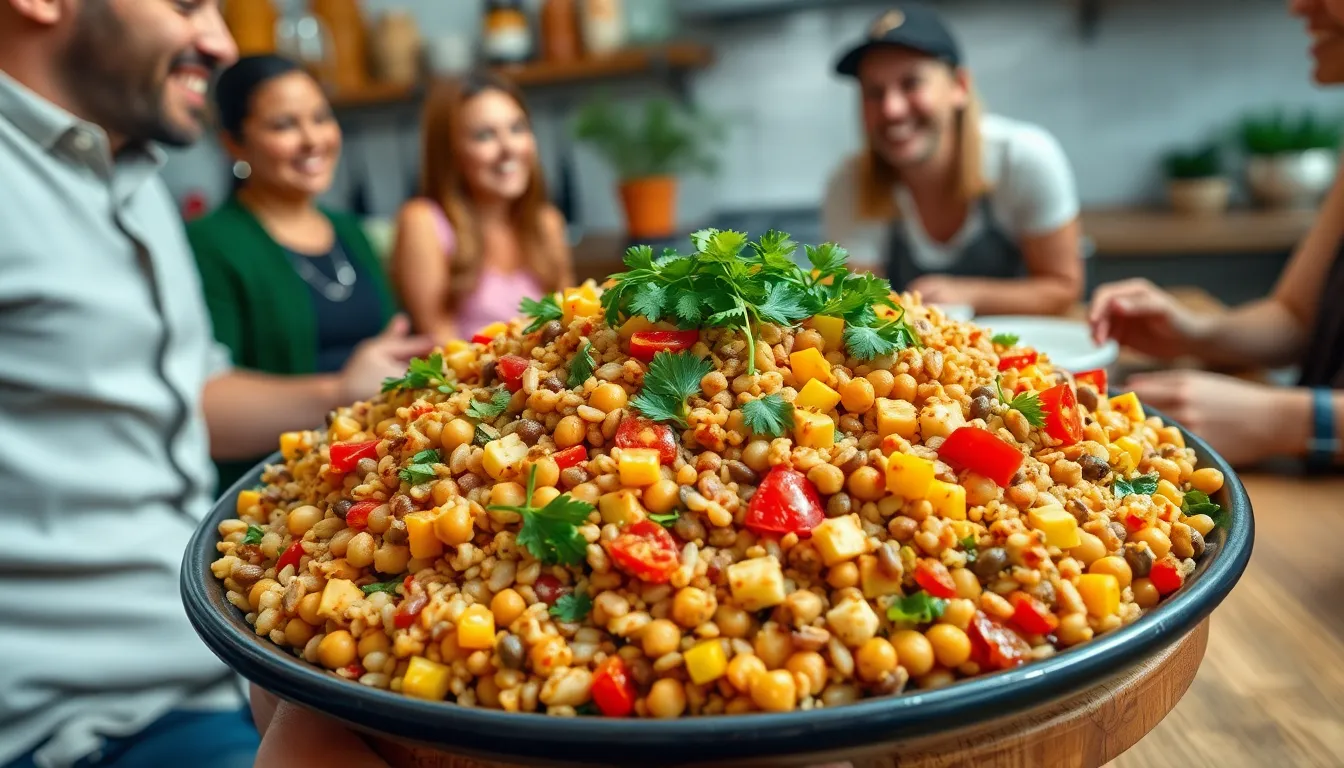
In a world bursting with culinary delights, one dish has managed to capture the hearts—and stomachs—of food enthusiasts everywhere: falifkad. Imagine a mouthwatering fusion of flavors, textures, and a sprinkle of magic that leaves taste buds dancing. It’s not just a meal; it’s an experience that begs to be shared with friends (and maybe a few jealous onlookers).
Overview of Falifkad
Falifkad showcases a fusion of tastes that captivates the palate. This dish typically features a base of seasoned grains, often enriched with herbs and spices that enhance its flavor. Fresh vegetables complement the main ingredient, offering a textural contrast and nutritional balance.
Different regions may put their own spin on falifkad, resulting in diverse variations. For instance, some versions may introduce unique proteins, while others focus on plant-based ingredients. Presentation plays a crucial role in its appeal, often served in vibrant colors that entice diners.
One notable aspect of falifkad lies in its communal nature. Sharing this dish strengthens social bonds and elevates dining experiences. Gathering around a table laden with falifkad encourages interaction and conversation, making it a favorite for celebrations and family gatherings.
Culinary enthusiasts appreciate falifkad for its versatility. It adapts easily to dietary preferences, catering to both vegetarian and non-vegetarian tastes. Preparing falifkad often involves a blend of cooking techniques, from roasting to sautéing, which contributes to its complex flavors.
Ingredients used in falifkad reflect local availability and cultural influences. Common components include chickpeas, lentils, and a variety of spices that embody regional tastes. The balance of flavors makes falifkad not only nutritious but also satisfying and memorable.
Falifkad transcends a simple meal, embodying a cultural experience that invites exploration and enjoyment. Those who try it often seek to recreate the flavors at home, ensuring that the delight of falifkad continues beyond initial encounters.
Key Features of Falifkad
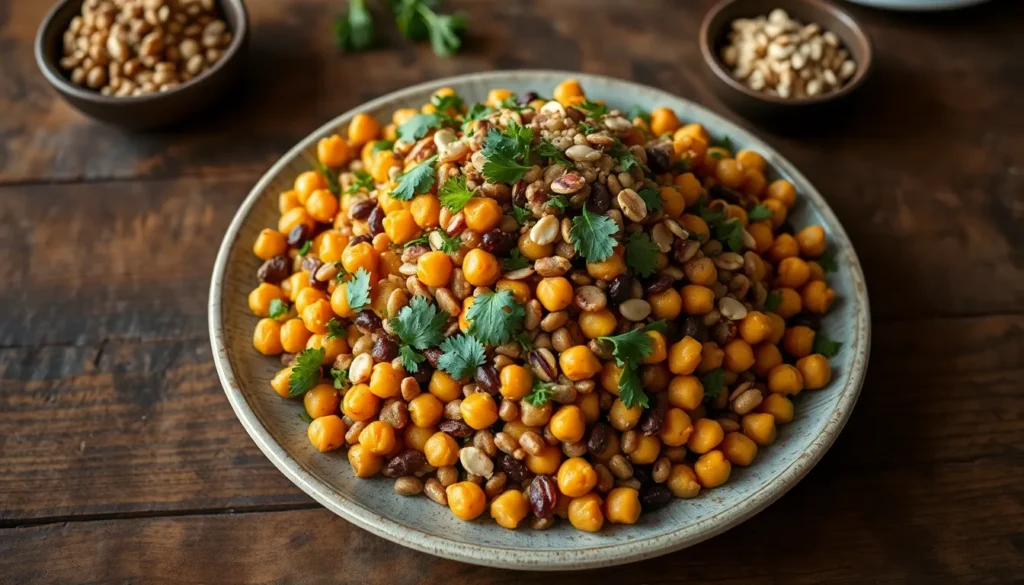
Falifkad showcases a variety of features that enhance its appeal and signature taste. The dish’s distinct qualities stem from its unique ingredients and diverse preparation methods.
Unique Ingredients
Key elements of falifkad include chickpeas and lentils, both rich in protein and fiber. Fresh herbs like parsley and cilantro contribute to its vibrant flavor profile. Spices such as cumin and coriander elevate its aromatic qualities. Some versions include seasonal vegetables, which add freshness and nutritional value. Nuts and seeds often provide an interesting crunch and enrich the texture. Regional variations offer unique additions, such as feta cheese in Mediterranean styles or avocado in modern recipes. These diverse ingredients create a multi-dimensional dish enjoyed by many.
Preparation Methods
Falifkad’s preparation methods play a crucial role in its overall experience. Traditional options involve roasting or grilling, which can intensify flavors. Boiling grains perfectly maintains their texture, promoting a delightful chewiness. Some recipes highlight sautéing, allowing vegetables to caramelize and deepen their taste. Mixing and marinating ingredients beforehand enhances absorption of flavors. Dishing up falifkad can happen in various settings, whether it’s a casual meal or an elegant gathering. Serving techniques often include layering or arranging colorful components for visual appeal. These methods not only deliver flavor but also foster a communal eating experience, inviting sharing among diners.
Health Benefits of Falifkad
Falifkad provides various health benefits, largely due to its diverse ingredients and preparation methods.
Nutritional Value
Falifkad is rich in essential nutrients. Chickpeas and lentils supply high-quality protein and dietary fiber. Each serving contains approximately 15 grams of protein and 10 grams of fiber, aiding digestion and maintaining satiety. Fresh herbs like parsley and cilantro are packed with vitamins A and K, essential for immune support and bone health. Additional spices such as cumin and coriander enhance its antioxidant properties, contributing to overall health. Seasonal vegetables, often included, offer vitamins and minerals that are vital for well-being. This combination translates into a nutritious dish that aligns well with a balanced diet.
Potential Risks
Despite its health benefits, falifkad carries some potential risks. Sensitive individuals might experience allergic reactions to key ingredients like chickpeas, particularly in those with legume allergies. Additionally, excessive consumption of high-sodium sauces or seasonings can lead to increased blood pressure. It’s important for those managing their sodium intake to be cautious. Overindulgence in falifkad may contribute to digestive discomfort, especially for those who are not accustomed to high-fiber diets. Moderation is key, ensuring that everyone enjoys falifkad’s unique flavors without facing unnecessary side effects.
Cultural Significance of Falifkad
Falifkad serves as more than just a dish; it embodies cultural tradition and collective celebration. Communities often prepare falifkad during festive occasions, highlighting its role in social gatherings. This dish fosters connections among individuals as they share its unique flavors and textures.
In different regions, falifkad variations reflect local culinary practices and ingredient availability. For instance, certain areas may incorporate specific spices or vegetables, making each rendition distinctive. Such diversity not only showcases regional pride but also illustrates the dish’s adaptability across various cultures.
Food plays a major role in cultural identity, and falifkad exemplifies this connection. It invites people to explore their heritage and embrace traditions that celebrate flavors passed down through generations. Sharing this dish strengthens bonds among family and friends, reinforcing the importance of communal dining.
Falifkad also highlights the concept of hospitality in numerous cultures. Serving the dish during gatherings signifies warmth and generosity, enhancing the dining experience. People appreciate the intricate flavors that resonate with history and storytelling, making every bite meaningful.
Moreover, the preparation of falifkad often becomes a communal activity. Families engage in cooking together, passing down techniques and recipes while cultivating a sense of togetherness. This collaborative aspect contributes to the cultural significance of the dish, emphasizing its role in creating cherished memories.
Overall, falifkad represents a vibrant cultural tapestry, weaving together flavors, traditions, and shared experiences. Through the enjoyment of this dish, individuals celebrate their heritage, fostering a sense of belonging and connection.
Conclusion
Falifkad stands out as a dish that not only tantalizes the taste buds but also enriches social connections. Its vibrant flavors and textures invite sharing and celebration among friends and family. This dish embodies a cultural legacy that transcends mere sustenance, fostering a sense of belonging and warmth.
By exploring its diverse variations and preparation methods, culinary enthusiasts can appreciate the depth of falifkad’s appeal. Whether enjoyed at festive gatherings or recreated at home, falifkad continues to inspire a communal dining experience that highlights tradition and creativity. Embracing this dish means embracing a rich tapestry of flavors and shared moments that make every meal special.